NEWS
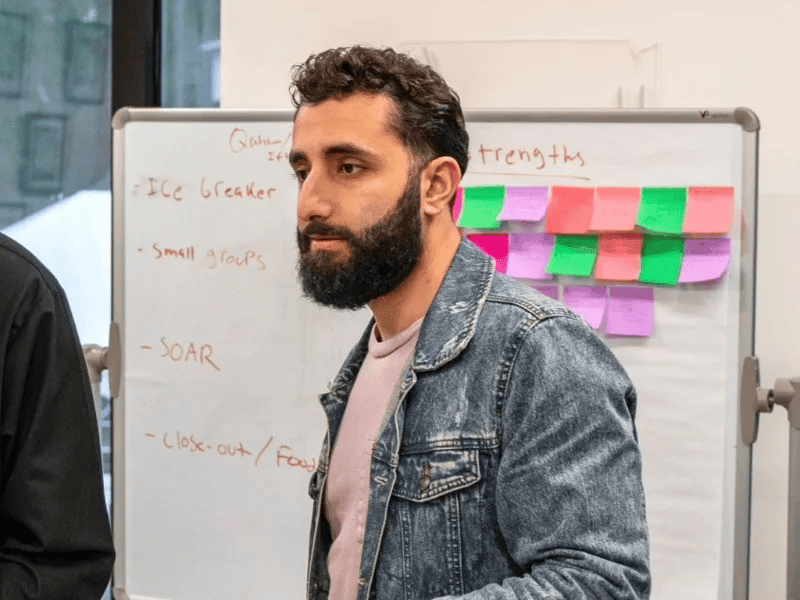
Meet an innoFaither: Omar Nassimi
Meet Omar Nassimi, Co-founder of PVBLIC House, a hub for people working for social good, and Assistant Director of Social Innovation at the humanitarian organization IDEA. Growing up surrounded by the diversity of his Muslim tradition, Omar developed a deep curiosity toward the possibilities of faith and positive social change that still drives him today. Omar lives in northern Virginia but can be found at coffee shops or events across the DC area (known locally as the DMV).

Tools for Innovators: Gain clarity with a theory of change
There’s a legendary story in international development circles about a campaign to get mosquito nets to millions of people in countries being ravaged by malaria, a disease that kills more than 600,000 people a year. Mosquito nets are a proven strategy to prevent this deadly disease. A lot of effort and resources went into the research and then into designing a way to distribute nets to hard-to-reach communities. Millions of nets were distributed, a seemingly huge success. Until researchers visited some of the communities to follow up.
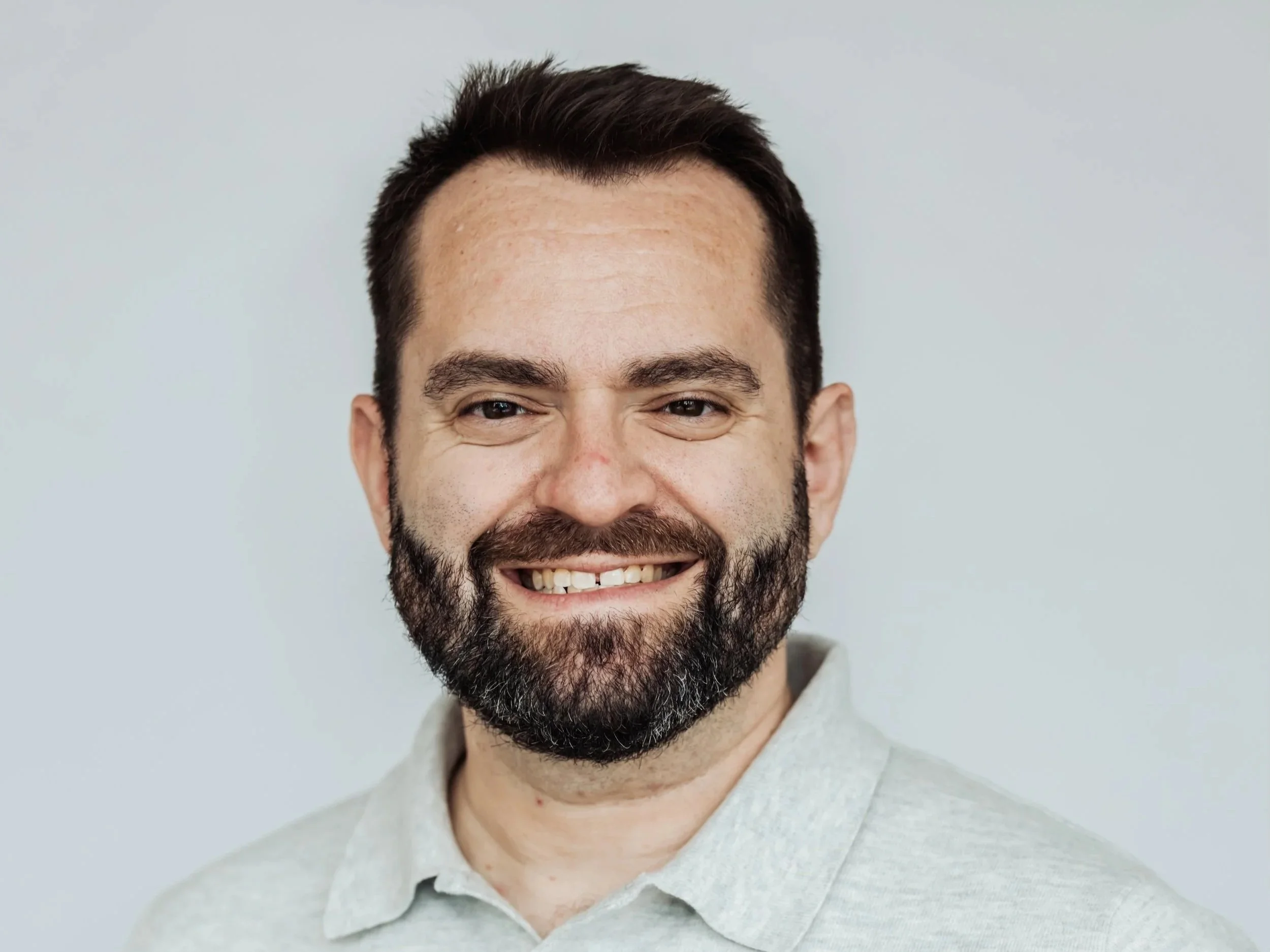
Meet an innoFaither: Kevin Singer
Meet Kevin Singer, innoFaith’s new Communications and Engagement Director and faith-rooted social innovator. An evangelical Christian deeply committed to pluralism, Kevin founded Neighborly Faith to support young evangelicals to dialogue with people of other faith traditions. Kevin, who is also an Aspen Institute Religion Fellow, loves living in a religiously and politically diverse part of the country in Raleigh, NC. We’re thrilled to have him join the innoFaith team!
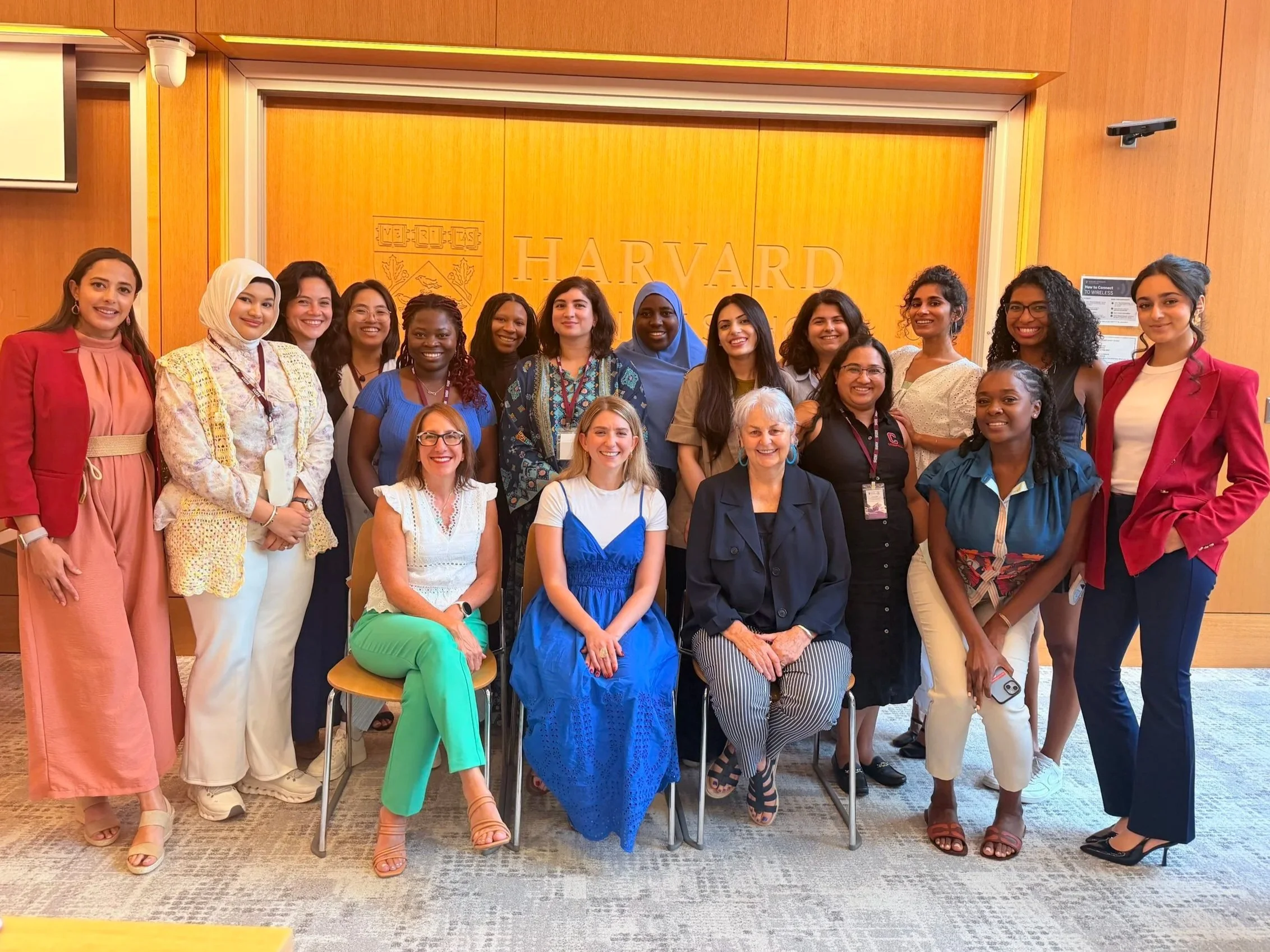
Faith in Her: Investing in faith-based women climate leaders
Francesca Reznik, our outgoing Communications and Engagement Manager, had the opportunity last month to participate in Faith For Our Planet’s inaugural Faith in Her: Women of Faith Climate Leaders fellowship at Harvard Divinity School as an instructor. Read about her experience.
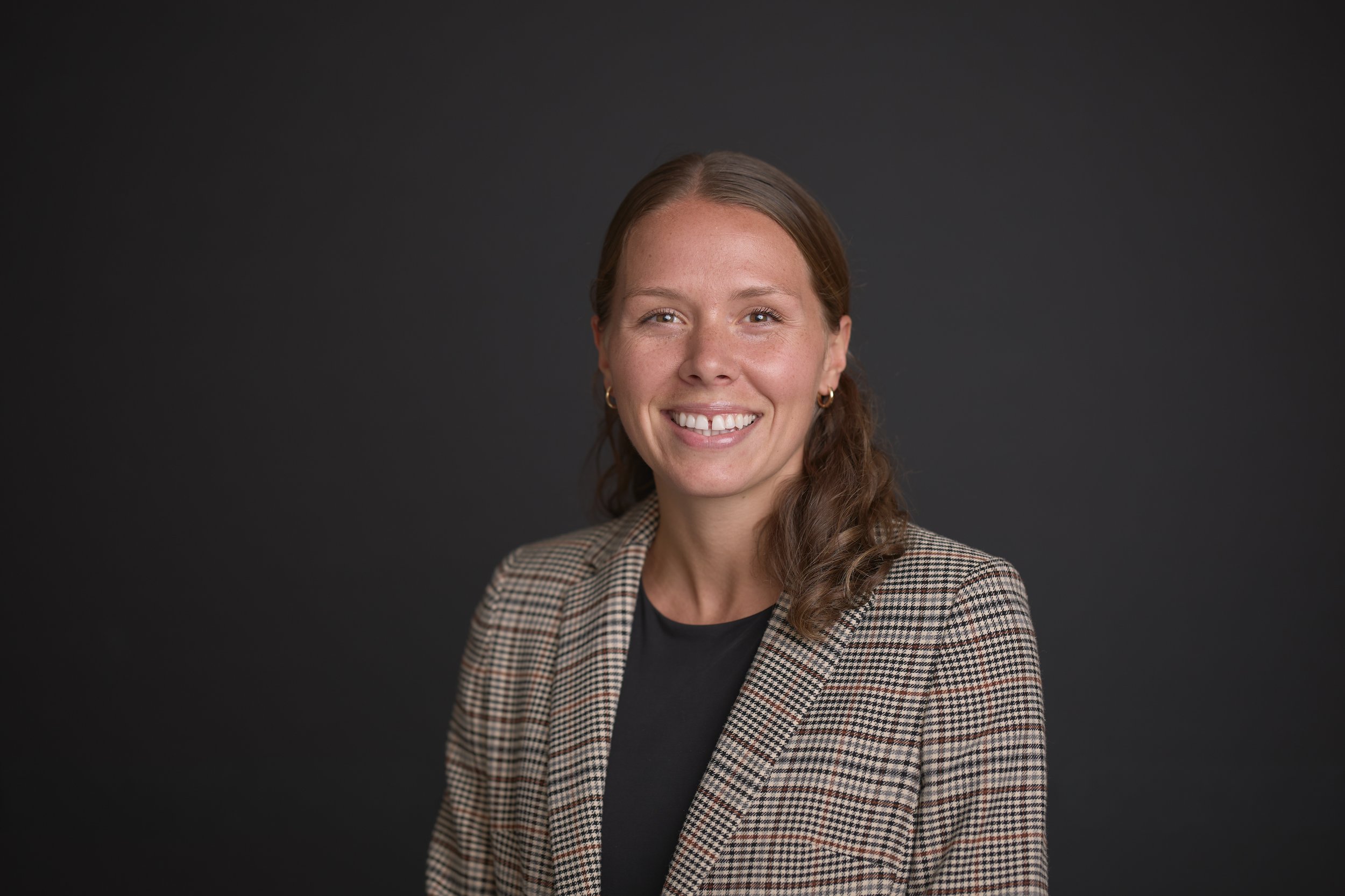
Meet an innoFaither: Sarah Hansman
Meet Sarah Hansman, a doctoral student in theological ethics at Boston College, hospital chaplain at Boston Medical Center-Brighton, and a prison minister. Sarah is passionate about bringing together the worlds of theology, ministry, and community organizing. Her interests include the role of imagination in shaping moral agency and lay authority especially as it pertains to sex and gender, immigration, politics, and carceral justice.

Insights for Change: Embrace uncertainty
There's a moment from my theoretically successful but short-lived piano-playing phase in my youth that I will never forget. At a lesson one day, my piano teacher, Mrs. K, took away the music sheets and told me to just play something of my own. I can't remember if she articulated it quite this way, but in my memory, she effectively told me to compose something on the spot. I held my hands over the keyboard for what felt like an eternity of silence. I froze. I was terrified to play even a single note. Mrs. K finally relieved me of the embarrassment, and we went back to our usual lessons.
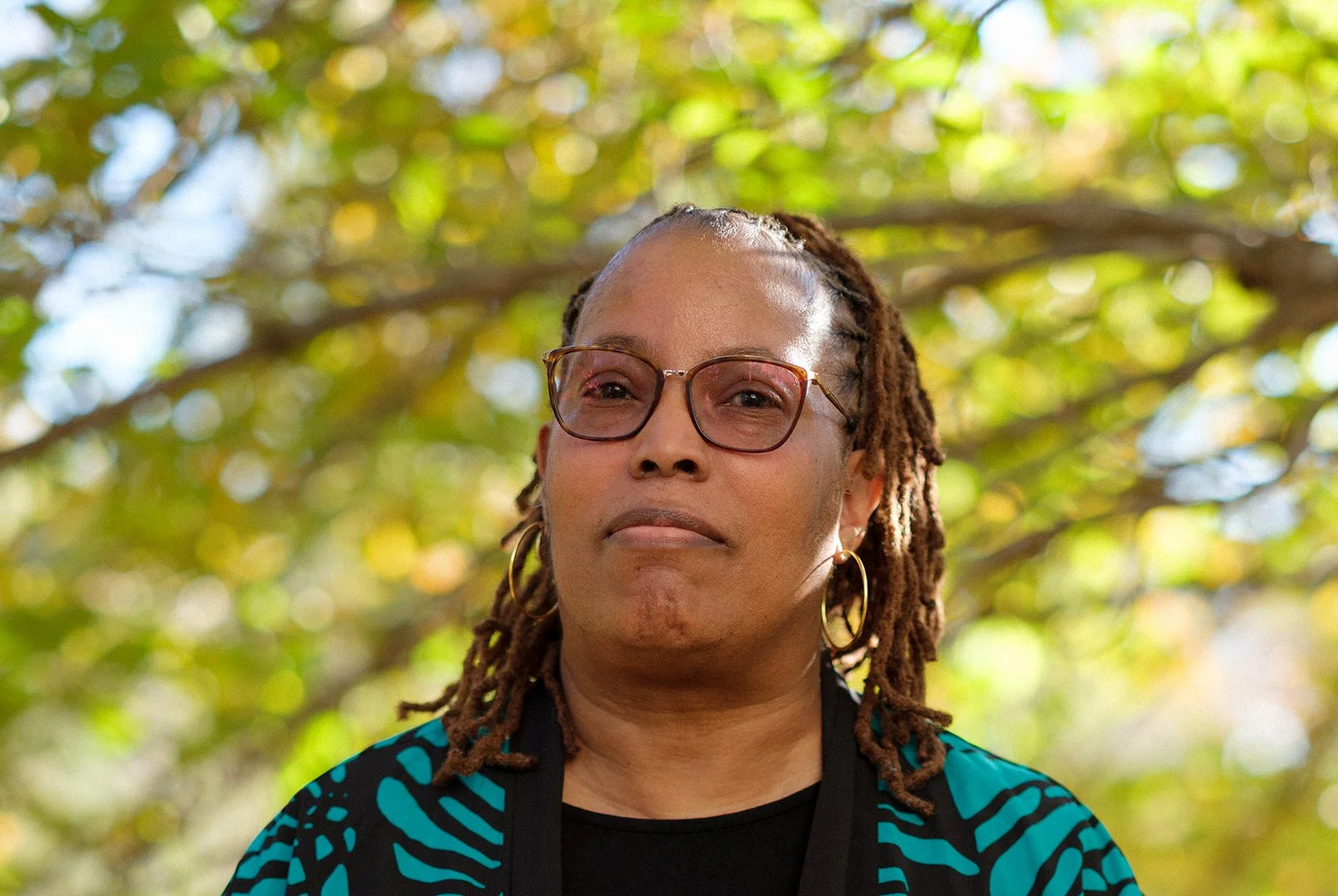
Meet an innoFaither: Sherry Molock
Meet Dr. Sherry Molock, creator of HAVEN-Connect, an initiative to engage Black churches to help prevent suicide among Black youth. As a pastor and a psychologist, Dr. Molock understands both the challenges and potential of the church as a player in the mental health arena. She decided to help churches overcome stigma around mental health to become part of the solution to the crisis. Dr. Molock lives in the Washington, DC, area where she teaches at George Washington University, and her pilot initiative with Black churches is currently running with twelve churches in the state of New York.

Spotlight on Solutions: The promising alliance between faith and mental health care
Something quietly powerful is happening at the intersection of two forces that have long been kept in separate rooms: mental health care and faith. For decades, the relationship between clergy and clinicians was marked more by suspicion than collaboration — the pulpit on one side, the therapist's office on the other. But that wall is coming down.
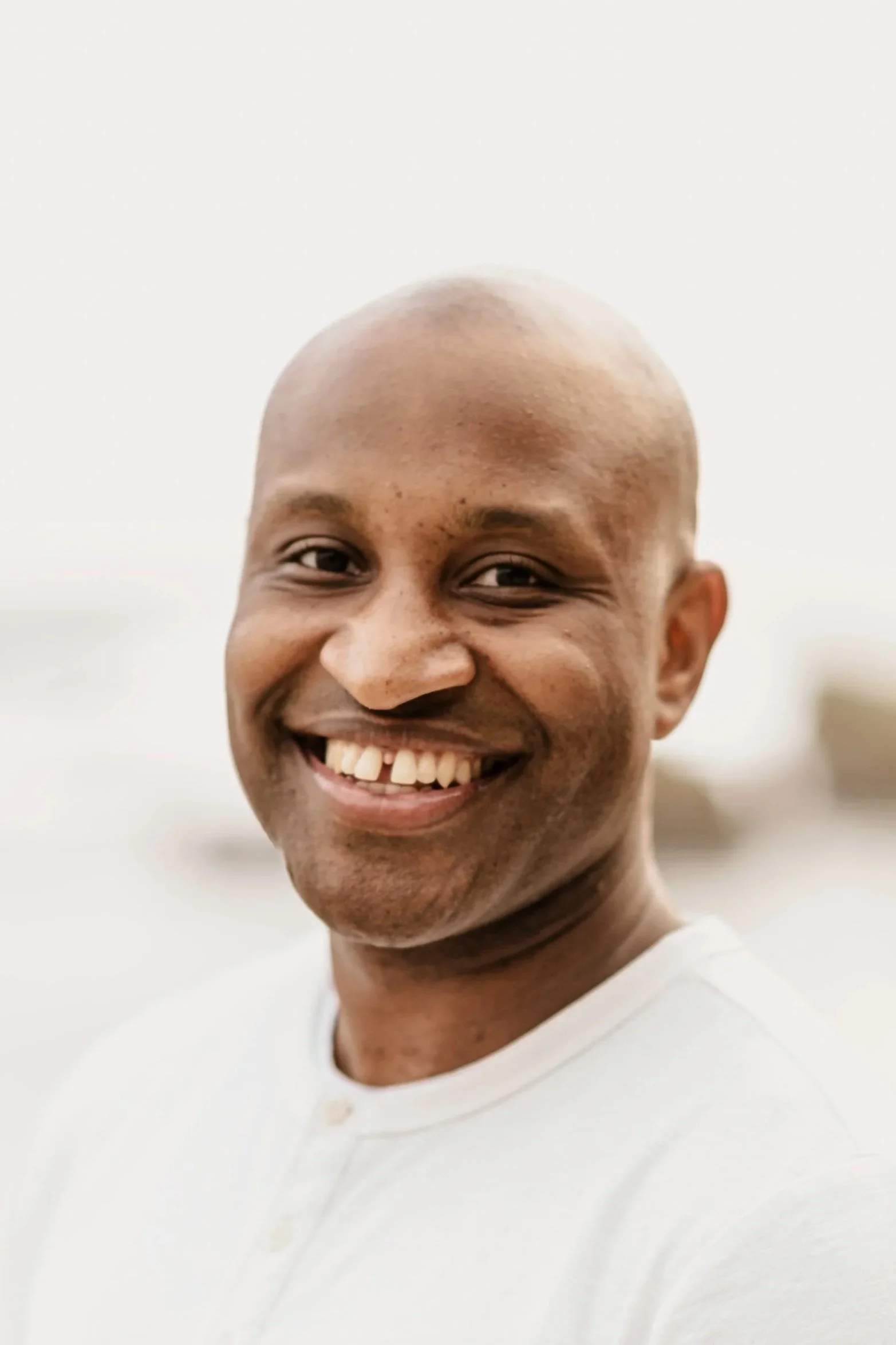
Meet an innoFaither: Jonathan Walton
Meet Jonathan Walton, poet, writer, speaker, and facilitator who is not afraid to say hard things and to challenge people, while also supporting them to be their best selves. Jonathan, who lives in Queens, NY, with his wife and daughters, is a generative creator in pursuit of a more just world. Among other things, he is the co-founder of the Center for Beauty and Resistance, which supports the wholeness of leaders and activists, and author of six books, including Twelve Lies that Hold America Captive, and Beauty and Resistance: Spiritual Rhythms for Formation and Repair.

Tools for Innovators: Ask “so what”
As congregations and social impact organizations, we often sell ourselves short by describing our impact only in terms of easily quantifiable metrics, such as the number of people we reach or events we host. We should take pride in those numbers, but then we should ask, “so, what?” It’s great that people show up, but what does that actually mean? A congregation's value to the community isn’t measured by worship attendance, and a social impact organization's value isn’t just how many people its services reach. We create real value for our communities, and learning to articulate why our work matters helps grow support.
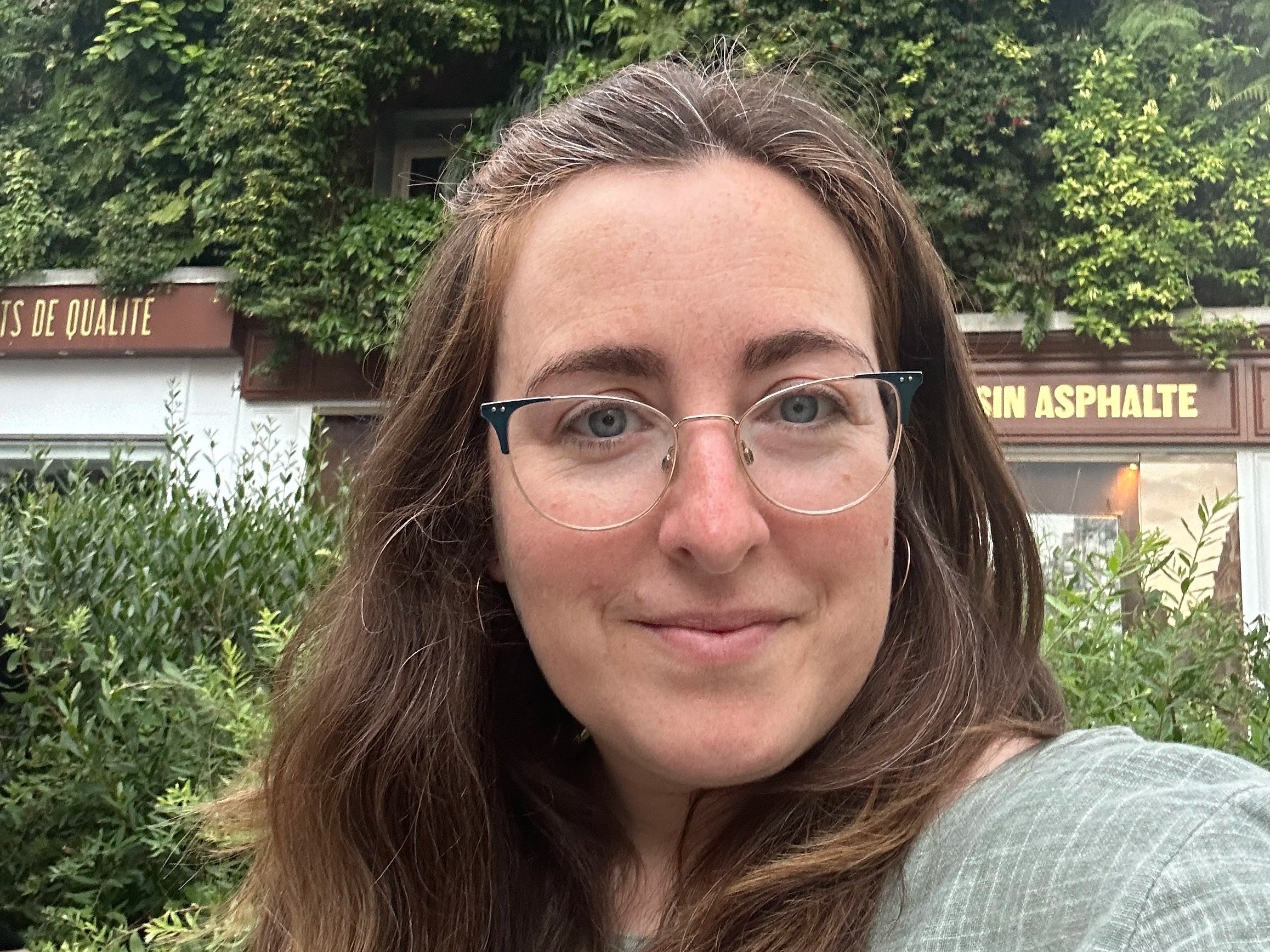
Meet an innoFaither: Sara Luria
Meet Sara Luria, rabbi, community builder, and Executive Director of Beloved, a fiscal sponsorship and community hub for spiritual innovators. Sara, who is based in Western Massachusetts, brings to her work a deep appreciation of her Jewish identity and community, and a conviction that we are living in a generative in-between time that calls for experimentation.

Insights for Change: Cultivate local spiritual ecosystems
We’re thrilled to share this essay by innoFaith founder, Danielle Goldstone, published in Duke Divinity’s Faith & Leadership. In it, she shares an insight emerging from the 2024-25 Mapping Spiritual Innovation Project in which innoFaith was a collaborator: Spiritual innovators and legacy religious institutions both have important roles to play in supporting the flourishing of our communities, so let’s design thriving local spiritual ecosystems that empower all spiritual stakeholders in a place to bring their gifts into collaboration for the good of all.
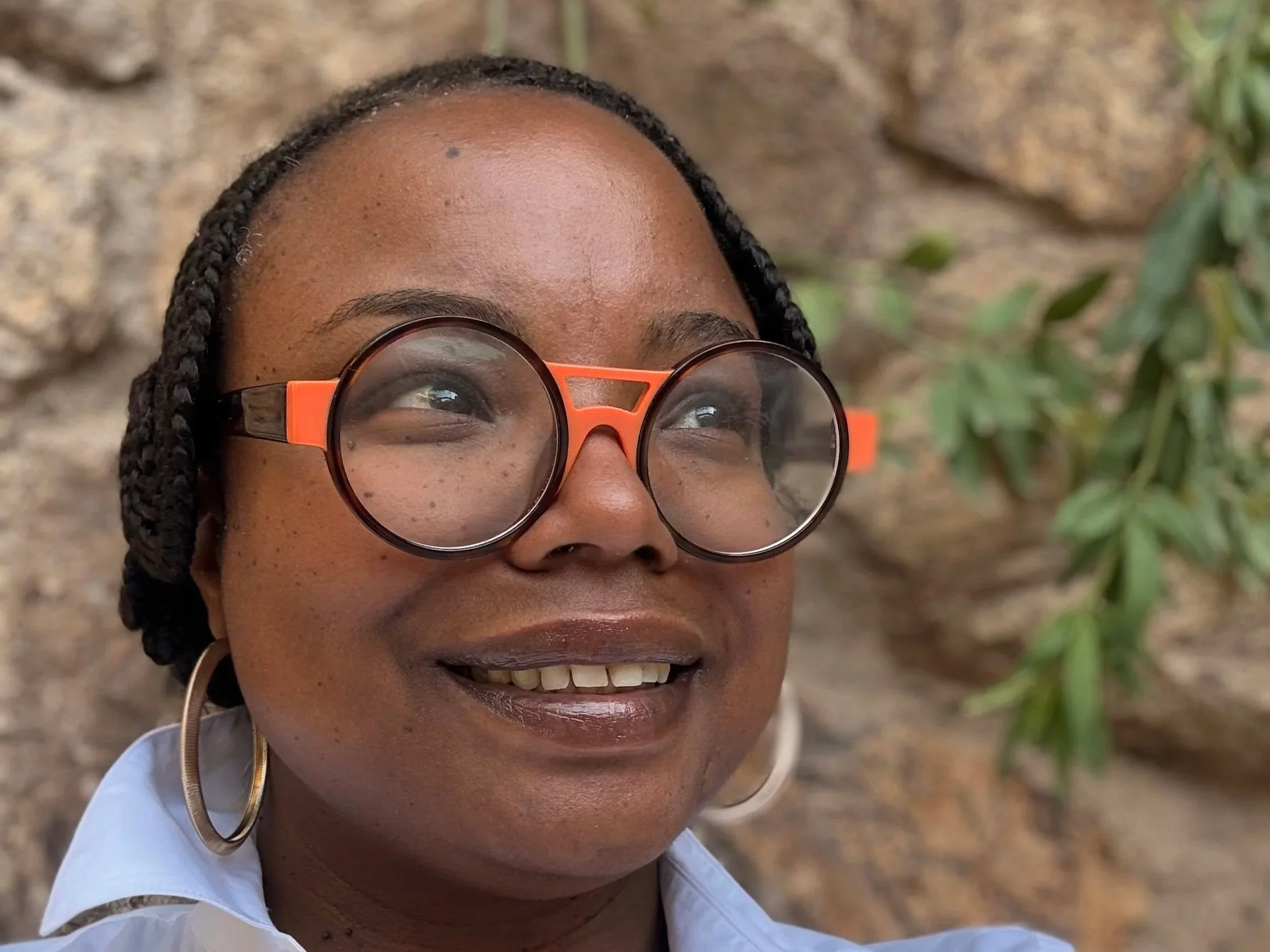
Meet an innoFaither: Fallon Wilson
Meet Dr. Fallon Wilson, public interest technologist and digital inclusion leader and innovator. Fallon is Executive Director and Founder of the BlackTechFutures Research Institute, as well as Vice President at the Multicultural Media, Telecom and Internet Council, a civil rights public interest tech organization. Fallon, who lives in Virginia, just outside of Washington, DC, leads at the forefront of the digital equity movement, driving research and advocating for policies that support digital infrastructure for Black people and building opportunities for Black people to excel in the emerging tech democracy.

Where Faith Meets the Algorithm: A Guide to AI, Religion, and Social Innovation
Wherever we sit or stand—in a pew or behind a pulpit, in a policy meeting or at a community action, behind a screen or in front of a classroom—AI is raising questions that matter to all of us. And some of the most thoughtful responses are coming from places you might not expect.
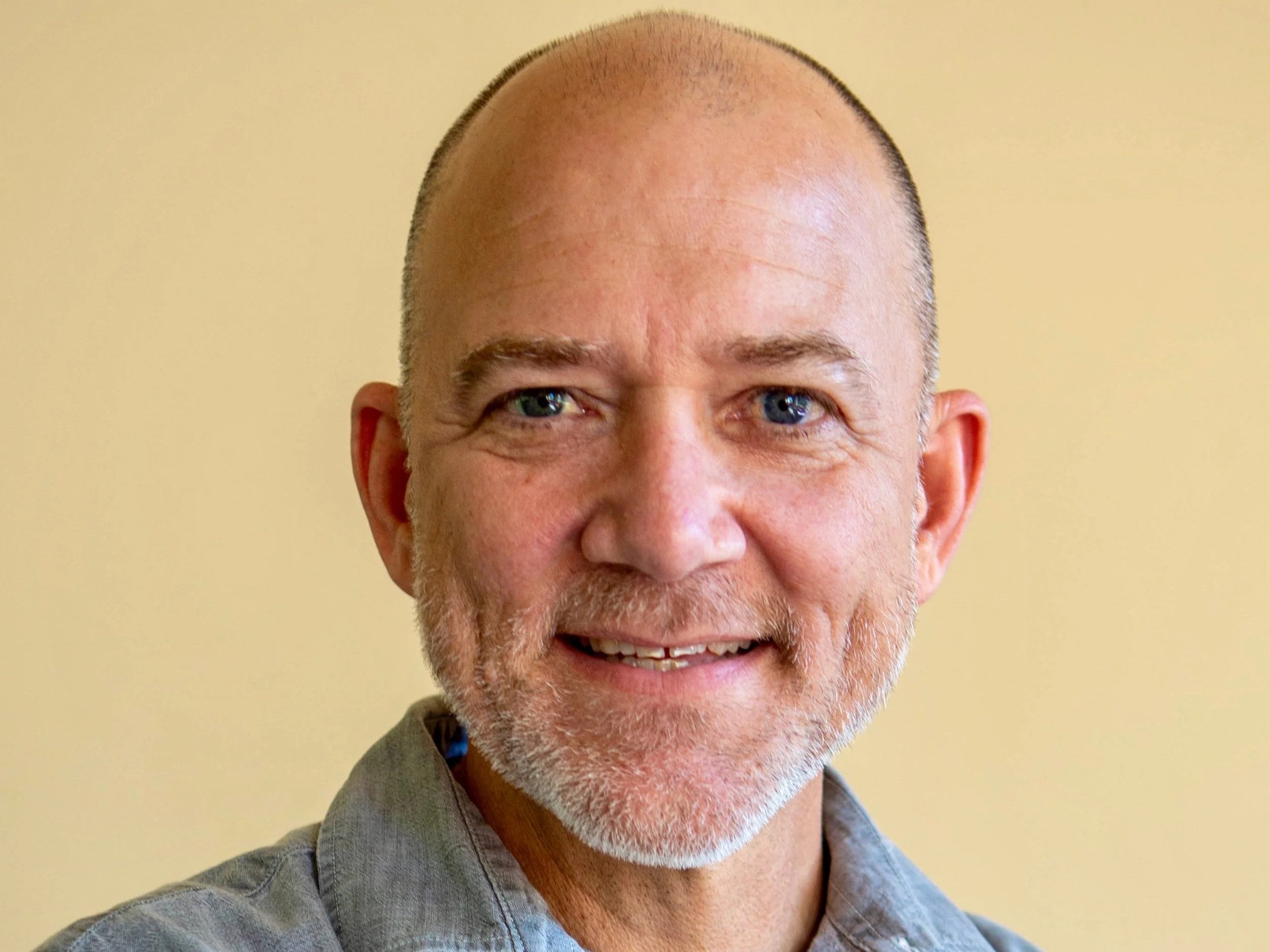
Meet an innoFaither: Daniel Pryfogle
Meet Daniel Pryfogle, Cofounder and CEO of Sympara, which helps communities reimagine underutilized religious properties for social impact. Daniel has been at the forefront of a movement of sacred/civic placemaking that re-envisions sacred spaces as civic spaces, transforming the tangible real property of religious institutions into assets for the broader communities where those institutions sit. With deep grounding in spiritual discernment, Daniel helps faith communities look outward, engaging with the people and organizations beyond their doors, to see and seize opportunity to help their neighborhoods and cities thrive.

Tools for Innovators: “How Might We…?”
Both the corporate and social impact sectors use a methodology called human-centered design to create solutions that meet real human needs. In this methodology, the "how might we" question creates the launch pad for innovation. This question defines what we are trying to solve for, helping scope the problem for which we are designing a solution.
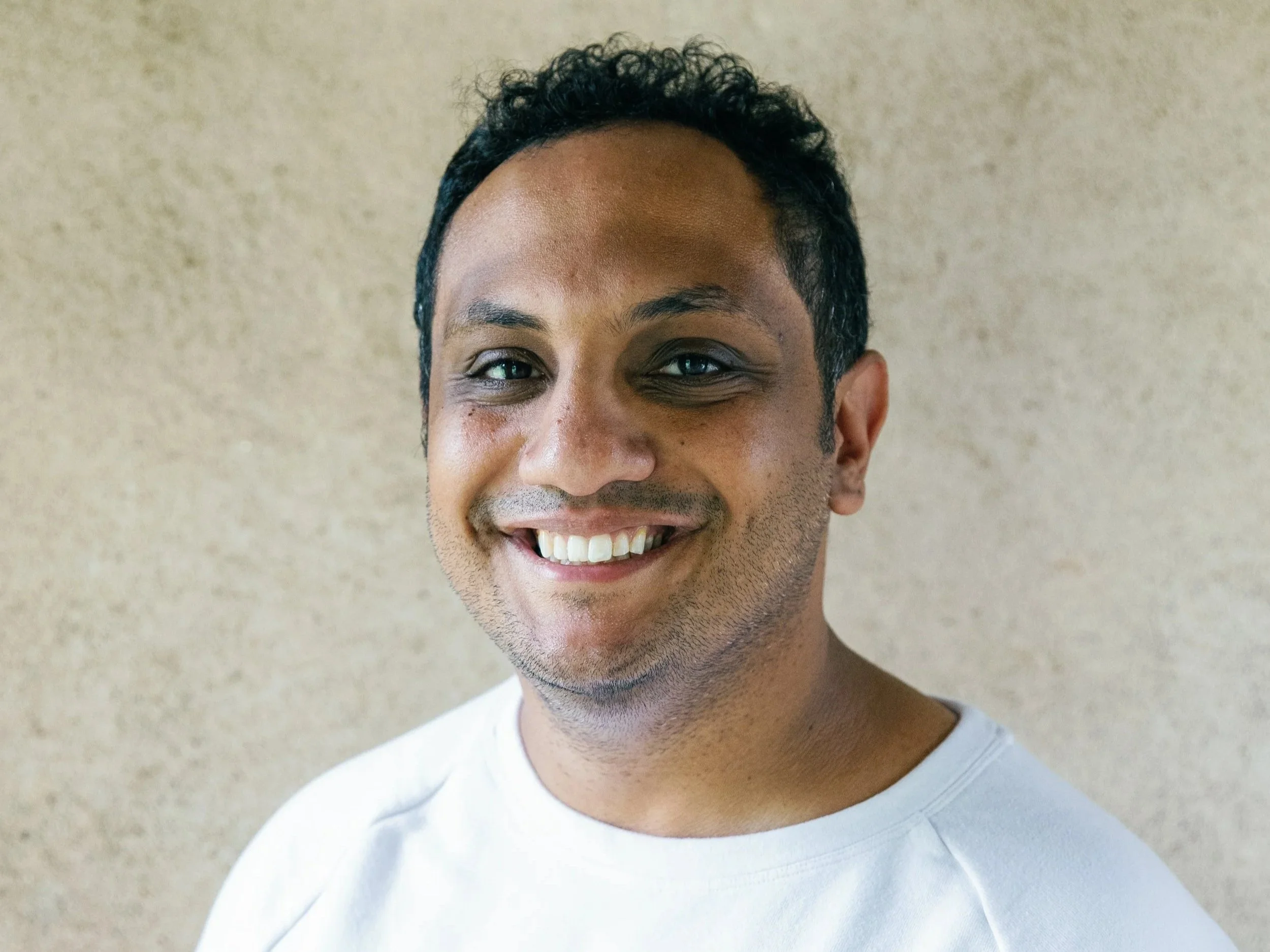
Meet an innoFaither: Mohammed Al Samawi
Meet Mohammed Al Samawi (known as Mo), Founder and President of Abrahamic House, a multi-faith co-living and co-creating space in Washington, D.C. to learn, share, pray, celebrate, connect, and serve. Mo’s personal journey, from war-torn Yemen to the U.S., led him from harboring a deep suspicion of other faiths to becoming a devoted peace and interfaith advocate. Mo, who lives in Virginia, wrote a gripping memoir about his journey that is now being made into a movie.
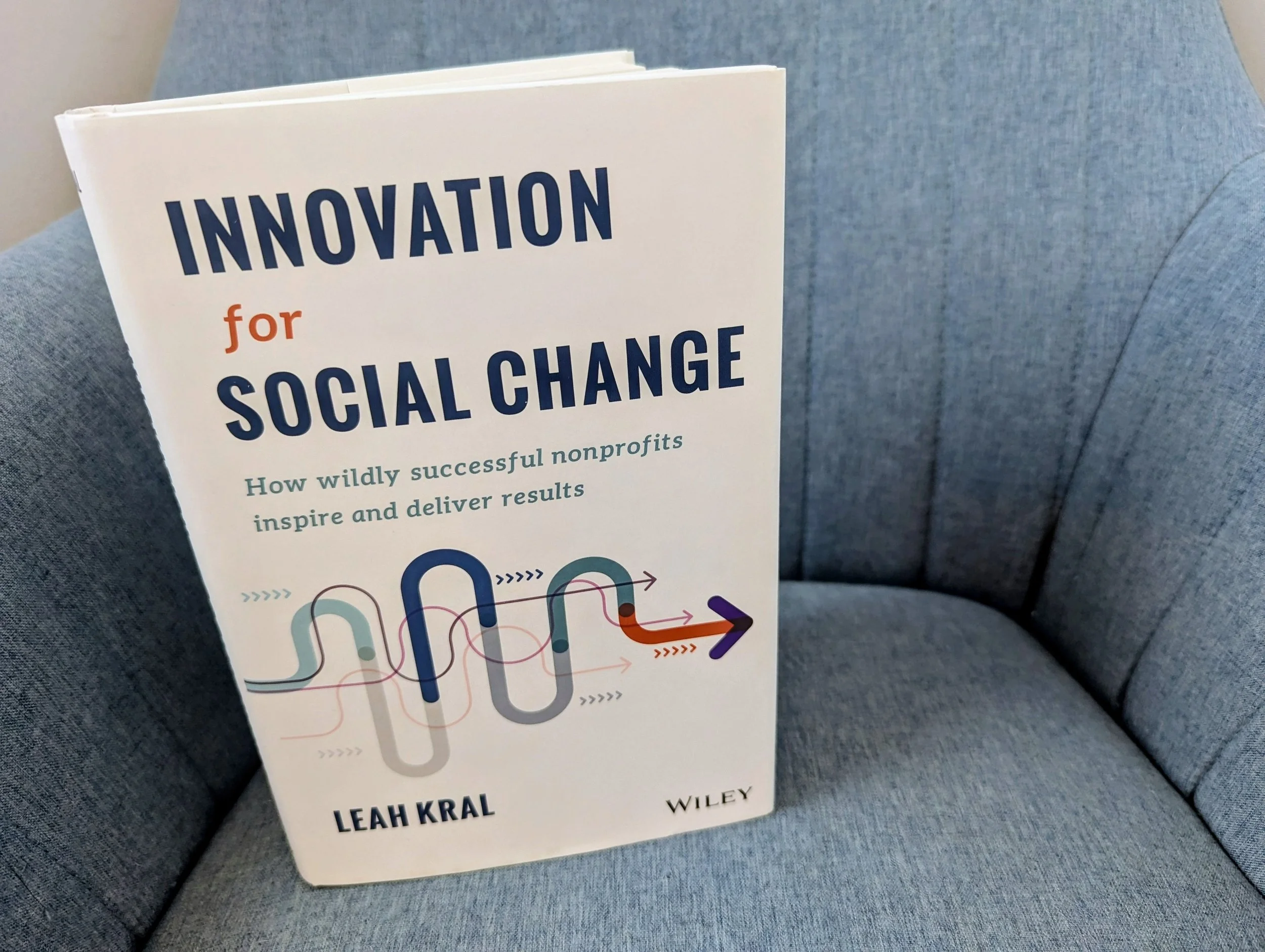
Insights for Change: Innovation is a collective undertaking
We hear often that we must innovate to survive, to progress, to succeed, but being told to innovate can be like being told to relax—easier said than done and incredibly frustrating to be told. That’s why I appreciate Leah Kral's book, Innovation for Social Change. Kral demystifies an intimidating concept, breaking it down into an accessible roadmap, including stories that ground it in reality and tools that make it actionable.
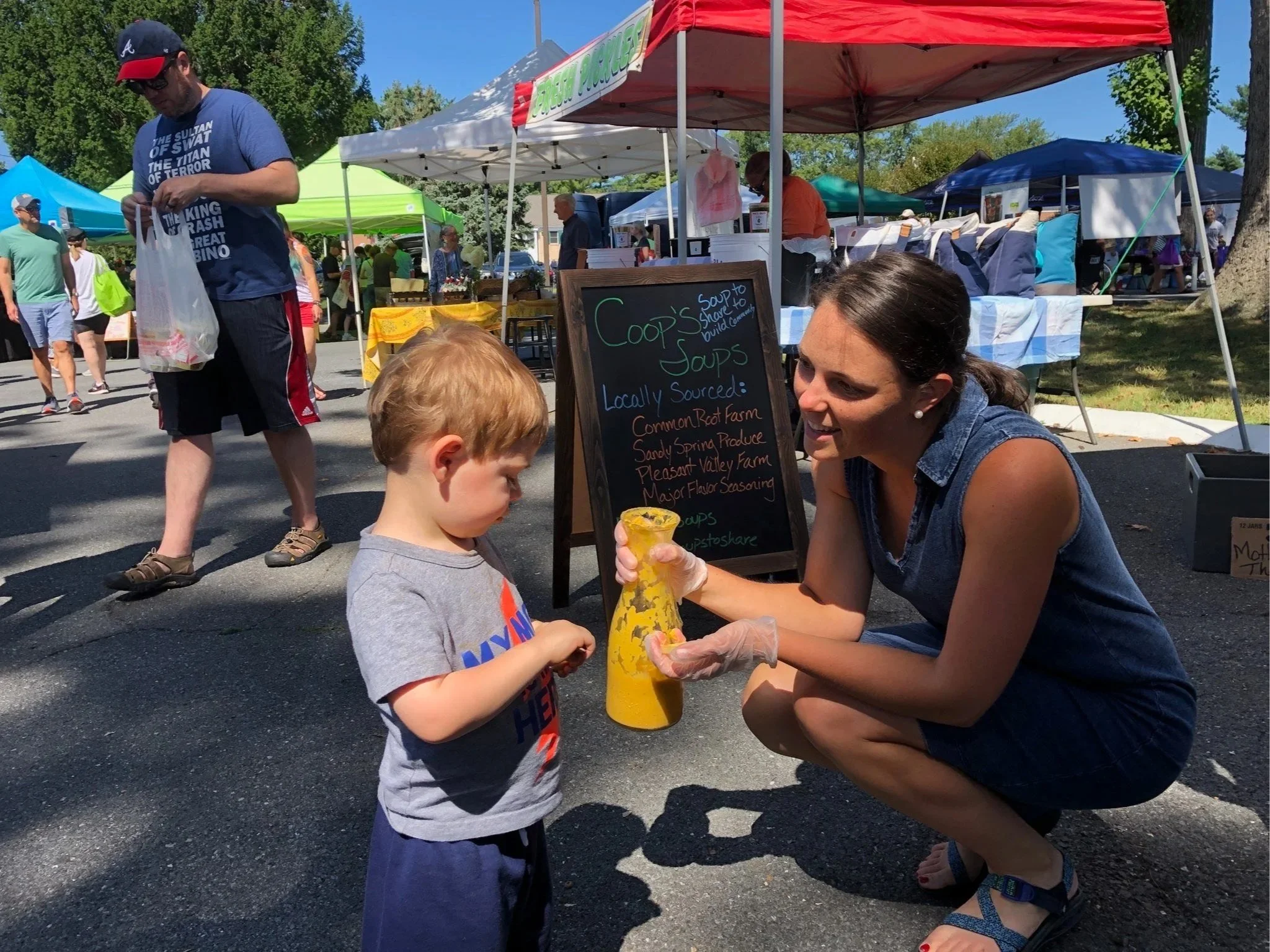
Meet an innoFaither: Cristin Cooper
Meet Cristin Cooper, founder of Coop’s Soups, a social enterprise that builds community through soup. Cristin makes the best soups we’ve ever tasted, but soup is more ministry than business for her. Committed to deepening relationships where she lives in Brookeville, MD, Cristin uses soup to encourage people to come together, to support neighbors experiencing food insecurity, and to uplift her community.

Tools for Innovators: Create an Impact Hypothesis
Focusing on impact sometimes makes people in the faith sector uncomfortable, but when building an organization, initiative, program, or enterprise with the goal of social change, social impact is the reason for its existence. There's a temptation to say, "It's not all about impact… we build relationships, and relationships matter." That’s true, and we can ask why do those relationships matter? That's the impact. We also might say, "It's important to be in solidarity with people, to show up even when it doesn't make a difference." Indeed, solidarity matters, and it has an impact. Here's a simple exercise to try - create an impact hypothesis.